Tarpon Fishing in Naples FL - Mark Cherney
Tarpon Fishing in Naples - What to Expect

Fishing Charter by Captain Mark Cherney in March

- Top Fly Fishing Charters in Southwest Florida


Summary
This tarpon fishing charter in Naples showcases the silver king in its natural habitat. On Tuesday, March 4th, Captain Mark Cherney of Blackwater Guide Co brings anglers into the Everglades to pursue one of saltwater fishing's most dynamic species. Tarpon are powerful, acrobatic fish that test both skill and technique in shallow coastal waters.
Fishing Charter with Captain Mark Cherney - Rates & Booking
Captain Mark Cherney of Blackwater Guide Co operates fishing charters out of Naples, Florida on Tuesday, March 4th and throughout the season. His charter focuses on tarpon, one of the most sought-after species in saltwater fishing. To book your tarpon fishing experience, contact Blackwater Guide Co directly for current rates, availability, and charter details. Captain Cherney's local expertise and established reputation make his charter a trusted choice for anglers targeting silver king in the Everglades region.
Highlights of Tarpon Fishing
Tarpon are among the most thrilling fish to pursue in shallow water. These massive, silver-scaled fish are known for explosive strikes and dramatic aerial displays that test an angler's equipment and composure. The Everglades near Naples provides an ideal environment for tarpon fishing, with tidal flats, mangrove channels, and deeper holes where tarpon feed and rest throughout the day. The combination of crystal-clear water and abundant prey creates consistent opportunities to sight and hook trophy-sized fish.
What makes tarpon so challenging is their combination of strength, intelligence, and acrobatic ability. When hooked, tarpon often leap repeatedly out of the water in attempts to throw the hook. This spectacle, combined with runs that can exceed 200 yards, makes tarpon fishing an unforgettable experience. Captain Cherney's knowledge of tarpon behavior and feeding patterns directly influences your chances of connecting with these powerful fish.
Local Species Insights: Tarpon
Tarpon are ancient fish, with a lineage dating back over 100 million years. Found in warm coastal waters, they are opportunistic predators that feed on mullet, crabs, shrimp, and other available prey. What makes tarpon unique among saltwater species is their ability to breathe air through a swim bladder, allowing them to survive in oxygen-poor water and shallow tidal zones where other large fish cannot venture.
In the Everglades and surrounding Naples waters, tarpon migrate seasonally. Spring and early summer bring larger concentrations as fish move through shallow channels during feeding cycles. Tarpon hunting is often visual - anglers or guides spot the fish cruising in shallow water and present live or artificial baits before them. This sight-fishing approach requires patience, precise casting, and understanding of tarpon behavior. Unlike many fish species that feed indiscriminately, tarpon can be selective and may refuse baits that don't match their current prey preferences.
The Everglades ecosystem that supports tarpon includes mangrove forests, tidal flats, and deep holes connected by flowing channels. This complex water system creates varied hunting and staging areas for tarpon throughout their day. Mangrove channels provide shelter and ambush points for feeding fish. Tidal flats expose shallow feeding zones where tarpon hunt mollusks and crustaceans. The interplay of tides, seasonal water levels, and seasonal fish movement patterns shapes successful tarpon fishing strategy. Captain Cherney's years of experience reading these environmental factors directly translates to your success on the water.
Hook and line techniques for tarpon differ significantly from other saltwater species. Their tough, scaled mouths require sharp hooks and solid hooksets. The abundance of air in their bodies and low muscle density means they experience less resistance than similarly-sized finfish, allowing them to jump and run with incredible explosiveness. Line management becomes critical - too much pressure and the line may break on a jump, too little and the fish shakes free. This balance makes tarpon fishing a technical discipline that rewards anglers who understand the species' fighting characteristics and adjust their approach accordingly.
Fishing in Everglades: Tarpon
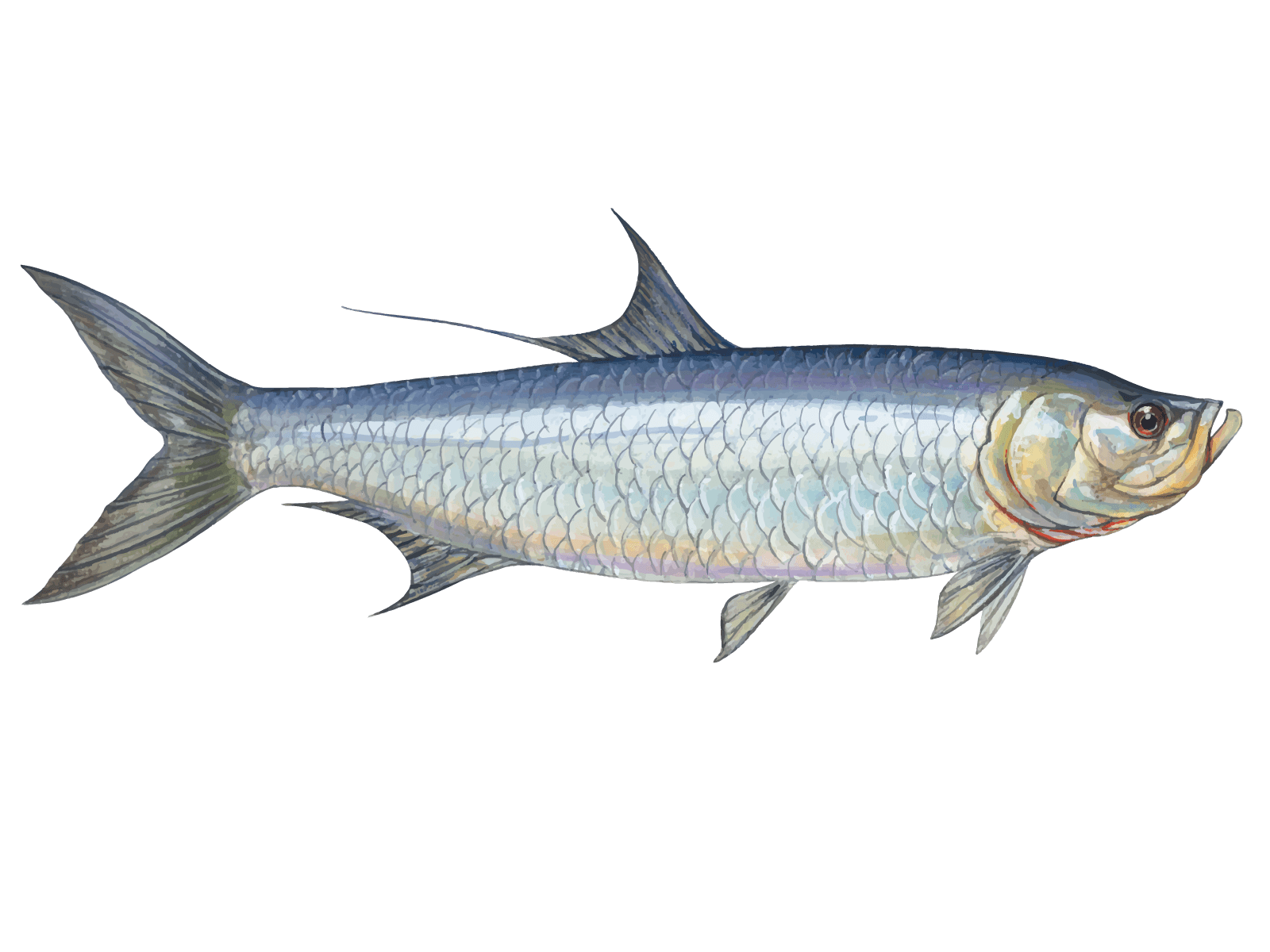
The Tarpon (Megalops atlanticus) from the family Megalopidae and order Elopiformes is arguably the most thrilling gamefish you'll encounter in warm coastal waters. Known as the "Silver King," these prehistoric giants are distinguished by their massive silver scales, elongated dorsal fin, and that unforgettable upward-pointing mouth that can unhinge like a bucket. What makes them legendary among anglers isn't just their impressive size, but their incredible acrobatics - launching up to 10 feet out of the water in spectacular aerial displays that'll have you questioning if you're fishing or watching a marine circus performance.
Tarpon Overview
These magnificent fish represent the ultimate challenge for serious anglers, combining raw power with athletic prowess that's been honed over 125 million years of evolution. They're primarily found along the western Atlantic coast from Virginia down to Brazil, with the heaviest concentrations in South Florida and the Gulf of Mexico. What draws fishing enthusiasts from around the world is their unique combination of size, fight, and accessibility - you can hook into a 100-pound fish in just a few feet of water on the flats, making for an incredibly visual and exciting angling experience.
Tarpon Habitat and Distribution
These adaptable fish thrive in a variety of environments, from shallow grass flats and mangrove creeks to deeper channels and harbor areas. They're equally comfortable in saltwater and brackish environments, often venturing into rivers and estuaries. The Florida Keys remain the epicenter of the fishing world, particularly around Islamorada, Marathon, and Key West, where the fish congregate in massive schools during their seasonal migrations. Key spots include the deeper moats around smaller keys, the edges of flats, and major channels cutting through the backcountry. During summer months, they can be found as far north as New England, while winter sees them concentrated in South Florida and Central America.
Tarpon Size and Weight
Most specimens you'll encounter range from 48 to 96 inches in length, typically weighing between 25 and 63 pounds, though the species can grow much larger. Adult fish commonly reach 4 feet and 80-100 pounds, but true giants can stretch up to 8 feet and weigh an incredible 280 pounds. Their thin bodies are covered in large, flat scales that create that distinctive silver flash underwater. The impressive size comes with age - a 100-pound fish is likely between 13-16 years old, making catch-and-release practices crucial for maintaining healthy populations.
Tarpon Diet and Behavior
As strict carnivores, they hunt mid-water baitfish with remarkable efficiency, swallowing smaller prey whole and using their speed to ambush schools of mullet, sardines, and crabs. Their unique ability to gulp air at the surface gives them a predatory advantage in low-oxygen environments, allowing them to thrive where other gamefish struggle. During the day, they often stack up in deeper holes or under bridges, becoming more active during dawn and dusk feeding periods. Their behavior varies seasonally - spring and summer months bring the famous migrations and spawning activity, while cooler months see them in deeper, more protected waters.
Tarpon Spawning and Seasonal Activity
Spawning occurs offshore in warm, secluded areas during late spring through late summer, typically coinciding with new or full moon cycles. Females release up to 12 million eggs in a spectacular broadcast spawning event, with the transparent, ribbon-like eggs floating on the surface. After hatching, juveniles remain in shallow nursery areas until reaching maturity at 7-13 years old. The seasonal migrations bring massive schools through prime fishing areas, with spring arrivals in the Keys often numbering in the thousands, creating some of the most exciting angling opportunities anywhere in the world.
Tarpon Techniques for Observation and Capture
Live bait fishing with shrimp, pinfish, mullet, or crabs remains the most effective approach - stake out above known holding areas and drift your bait down to the fish. A 5000-7000 size spinning reel paired with a medium-weight rod provides sufficient power without being cumbersome. For the ultimate challenge, fly fishing on the shallow flats using patterns like the Black Death, Tarpon Toad, or Purple People Eater on a 10-weight rod creates heart-stopping visual encounters. Around the Florida Keys, focus on the edges of flats during moving tides, particularly early morning and late afternoon when the fish are most active. The key is patience and being ready for that explosive strike - when it happens, hold on tight and prepare for an aerial show that'll last in your memory forever.
Tarpon Culinary and Utilization Notes
While technically edible, these fish are rarely kept for the table due to several factors. Their flesh contains high mercury levels and has a tough, bony texture that makes preparation challenging. The meat is white and flaky with a mild, somewhat oily flavor, but the numerous small bones make it impractical for most cooking methods. More importantly, their slow growth rate, late maturity, and threatened population status make catch-and-release the ethical choice. The real value lies in the incredible fishing experience they provide - the fight, the jumps, and the story you'll tell for years to come are worth far more than any meal.
Tarpon Frequently Asked Questions
Q: What is the best bait for Tarpon fishing?
A: Live bait works best - large shrimp, pinfish, mullet, and blue crabs are all excellent choices. Hook crabs through the corner of the shell and baitfish through the mouth. Fresh cut bait can also be effective, especially mullet and sardines.
Q: Where can I find Tarpon near the Florida Keys?
A: Focus on the channels between keys, deeper moats around smaller islands, and the edges of grass flats. Popular spots include Islamorada's backcountry, the Seven Mile Bridge area near Marathon, and the flats around Key West. Harbor areas and bridges often hold fish during the day.
Q: Is Tarpon good to eat?
A: While edible, they're not recommended for consumption due to high mercury levels, tough flesh, and numerous bones. More importantly, these slow-growing fish are crucial to maintain in the ecosystem, making catch-and-release the preferred practice among responsible anglers.
Q: When is the best time to catch Tarpon?
A: Peak season runs from March through July in South Florida, with May and June typically offering the best action. Fish during moving tides, particularly early morning and late afternoon. New and full moon periods often provide the most activity.
Q: How big do Tarpon get and how old do they live?
A: Common sizes range from 4-6 feet and 80-100 pounds, but giants can reach 8 feet and 280 pounds. They're incredibly long-lived, with lifespans exceeding 50 years. A 100-pound fish is typically 13-16 years old, highlighting the importance of release practices.
Q: What tackle do I need for Tarpon fishing?
A: A 5000-7000 size spinning reel with smooth drag, paired with a medium-heavy rod, handles most situations. Use 30-50 pound braided line with a fluorocarbon leader. The reel must be corrosion-resistant and have enough capacity for long runs - these fish can strip hundreds of yards of line in seconds.