Black Drum Fishing in Naples, Florida
Black Drum Fishing in Naples - What to Expect

Fishing Charter by Captain Mark Cherney in December

- Top Fly Fishing Charters in Southwest Florida


Summary
Join a fishing charter in Naples on Wednesday, August 10 to pursue black drum in the rich waters of the Everglades. Captain Mark Cherney of Blackwater Guide Co guides anglers through prime fishing grounds where these powerful fish thrive in coastal and inshore environments. Discover what it takes to land one of Florida's most rewarding catches.
Fishing Charter with Captain Mark Cherney - Rates & Booking
Captain Mark Cherney of Blackwater Guide Co welcomed anglers on Wednesday, August 10 for a fishing charter experience targeting black drum in the Naples area. This guided fishing charter puts you on the water with a licensed captain who knows the Everglades intimately, positioning you where these fish are actively feeding. Whether you're a seasoned angler or stepping into saltwater fishing for the first time, the charter experience is built around your skill level and goals.
The fishing charter includes expert guidance, local knowledge, and access to prime fishing grounds where black drum congregate. Captain Cherney's expertise in reading water conditions and understanding seasonal patterns dramatically improves your chances of connecting with these powerful fish. To book your own charter experience and learn about current rates, contact Blackwater Guide Co directly for availability and pricing details.
Highlights of the Everglades Fishing Experience
The Everglades around Naples offer a unique fishing environment where black drum find ideal conditions. These shallow-water flats and coastal areas teem with baitfish and crustaceans that attract black drum to feed. The landscape itself - dotted with mangrove corridors, grass flats, and deeper channels - creates the perfect hunting ground for anglers seeking this species. Part of the appeal lies in the sensory experience: the sound of water lapping against the hull, the smell of salt air, and the visual drama of a line going tight when a black drum takes your bait.
Fishing charter adventures in this region offer more than just the hunt. You're immersed in one of Florida's most ecologically rich environments, surrounded by birds, marine life, and the natural rhythms of tidal water. Each cast becomes part of a larger story - the story of the Everglades and the creatures that call it home.
Local Species Insights: Black Drum
Black drum are among Florida's most iconic inshore fish, and for good reason. These bronze-colored powerhouses inhabit coastal and shallow estuarine waters, preferring areas with sandy or muddy bottoms where they root for food. They're bottom feeders by nature, using their specialized mouths to crush hard shells and extract small crustaceans and mollusks from the seafloor. Their nickname - the "croaker" - comes from the loud croaking sound they produce, especially during spawning season.
What makes black drum such a compelling target is their size and strength. Adult fish regularly exceed 20 pounds, and trophy specimens can push 50 pounds or more. When hooked, they don't dart and dash like some fish; instead, they use their weight and body mass to make steady, powerful runs that test your equipment and technique. For anglers, this translates to an intense, memorable fight that rewards patience and skill.
Black drum behavior shifts with the seasons and tidal cycles. They move into shallower water during feeding periods, particularly around dawn and dusk, and stage in deeper channels during low light or extreme temperatures. Captain Mark Cherney's knowledge of these patterns - when and where the fish move throughout the day - is crucial to finding active fish and maximizing your fishing time.
The habitat around Naples supports healthy black drum populations because of the rich food sources and ideal water conditions. Mangrove-lined shorelines provide shelter and nursery grounds for juvenile fish. Shallow flats with seagrass offer hunting grounds for adults. Deep channels serve as refuges during extreme tides or temperature swings. This diversity of habitat means black drum remain accessible to anglers throughout much of the year, though different seasons bring them to different parts of the Everglades ecosystem.
Successful black drum fishing depends on understanding their feeding habits and habitat preferences. They respond well to live bait and cut bait presentations placed on or near the bottom. The bite can be subtle - sometimes just a steady pressure rather than an aggressive strike - so staying alert and setting the hook decisively is essential. These fish will take your bait and run hard, demanding solid technique and reliable tackle.
Plan Your Fishing Day
A typical fishing charter day revolves around tidal movement and seasonal fish activity. Early morning presentations often produce the best results as black drum feed actively during the transition from night to day. Your charter with Captain Cherney includes his expertise in locating fish, instruction on presentation techniques, and guidance tailored to your experience level. The number of anglers and exact duration depend on your booking details with Blackwater Guide Co. Most trips accommodate small groups, allowing personal attention and a more intimate experience on the water. Safety equipment, proper licensing, and all necessary gear considerations are handled by your guide, so you can focus entirely on the fishing experience itself.
Fishing in Everglades: Black Drum
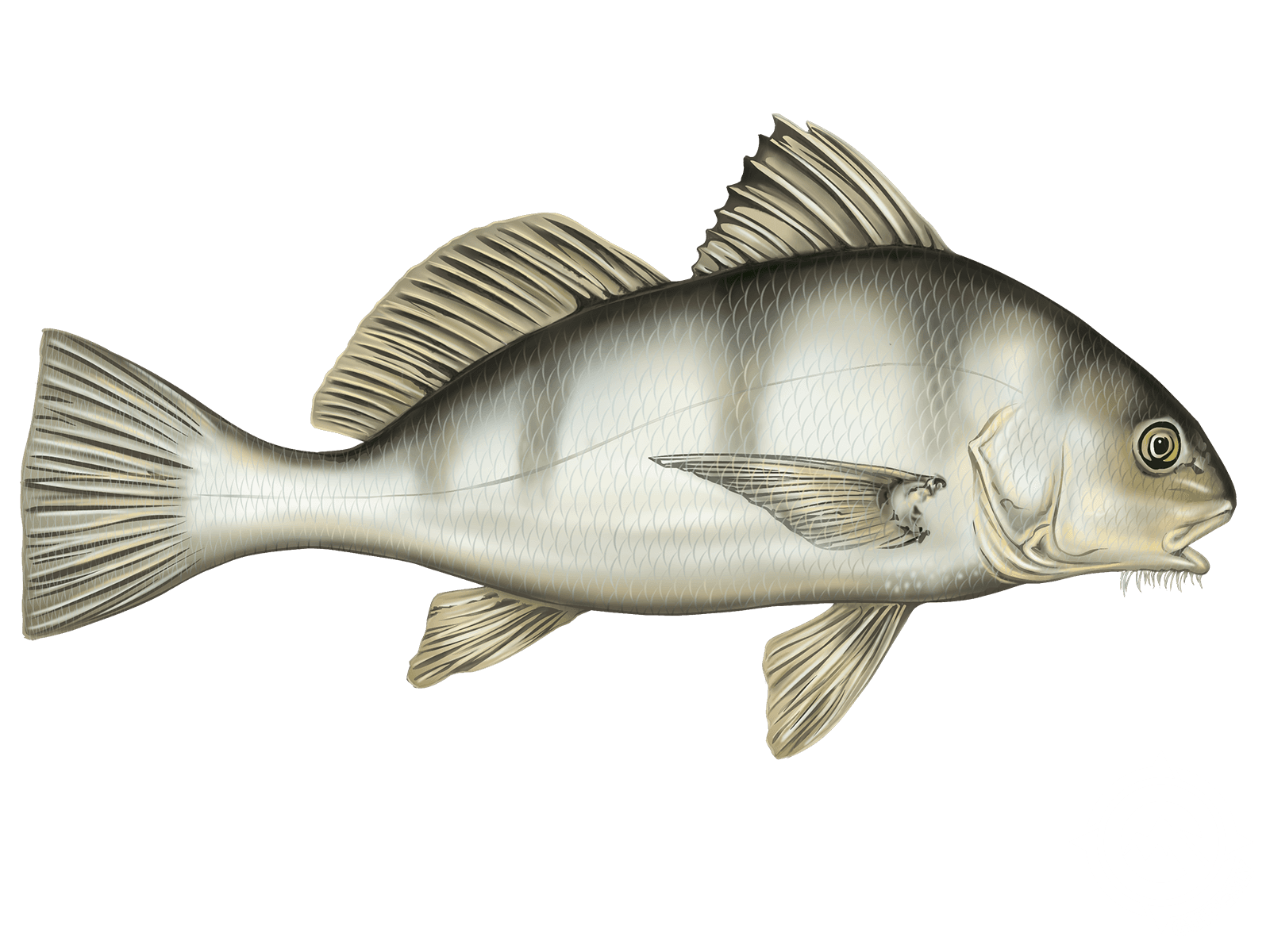
The Black Drum (Pogonias cromis) stands as the giant of the Sciaenidae family, earning its reputation through both impressive size and distinctive acoustic abilities. These remarkable fish get their name from the drumming or croaking sounds they produce, which can reach frequencies of 100 to 500 Hz during spawning season. With their powerful jaws designed for crushing shellfish and oysters, these dark-colored bruisers represent one of the most sought-after inshore game fish along the Atlantic and Gulf coasts, offering anglers both challenging fights and rewarding table fare when properly sized.
Black Drum Overview
What makes these fish truly special is their incredible adaptability and longevity. They're bottom-dwellers that can live up to 50 years, growing rapidly in their first two years and reaching sexual maturity quickly. Their robust build and crushing power make them formidable opponents for anglers, while their preference for brackish waters and estuaries puts them within reach of shore-based fishermen. The drumming sounds they make aren't just for show - they're sophisticated mating calls that help these fish locate each other during spawning aggregations, creating some of the most exciting fishing opportunities of the year.
Black Drum Habitat and Distribution
These adaptable fish have claimed territory from Nova Scotia all the way down to the Gulf of Mexico, thriving in a variety of environments. Adults prefer the saltier waters near ocean inlets and around oyster beds, where their favorite foods are abundant. Juveniles, on the other hand, seek out the less saline areas of estuaries with sandy bottoms, providing natural nursery areas. What's remarkable about these fish is their tolerance for different conditions - you might find them in extremely shallow water one day and at depths of 100 feet the next. They're particularly drawn to muddy flats, pier pilings, and creek mouths where tidal action concentrates their prey.
Black Drum Size and Weight
Size-wise, these fish offer something for everyone, typically ranging from 5 to 30 pounds, though true giants can exceed 90 pounds. The smaller specimens in the 15-pound range are considered prime table fare, while the larger fish are better suited for catch-and-release due to their tougher meat texture and stronger flavor. It's not uncommon to encounter fish in the 20 to 40-pound range during peak season, and these middle-weight bruisers provide excellent sport while still offering decent eating quality for those who know how to prepare them properly.
Black Drum Diet and Behavior
As dedicated bottom-feeders, these fish have developed powerful crushing jaws perfectly suited for their shellfish-heavy diet. Crabs, mussels, clams, and oysters make up the bulk of their meals, though they'll also take marine worms and small fish when the opportunity arises. Their feeding behavior is methodical and deliberate - they use their sensitive barbels to locate prey buried in sand and mud, then employ their impressive jaw strength to crush through shells. During feeding frenzies, particularly around oyster beds, you can sometimes hear the actual crunching sounds they make while feeding, which often gives away their location to observant anglers.
Black Drum Spawning and Seasonal Activity
Spawning season brings out the most exciting behavior in these fish, as they gather in large schools and become much more predictable in their movements. In southern regions like Texas, this typically occurs from February through March, while northern areas see peak activity from April to June. During this time, females can lay eggs every three days, and the males produce their characteristic drumming sounds almost continuously. These spawning aggregations create prime fishing opportunities, as the normally scattered fish concentrate in specific areas and become more aggressive in their feeding. The sound of dozens of drums calling simultaneously creates an underwater symphony that experienced anglers learn to recognize and locate.
Black Drum Techniques for Observation and Capture
Success with these fish comes down to three key factors: location, bait selection, and patience. Live or fresh bait works best - soft-shell crabs, peeler crabs, and fresh clam are top choices, though many anglers swear by blue crab because it doesn't attract as many bait-stealing catfish. Fish your baits right on the bottom using enough weight to hold position in current, and be prepared for a slow, deliberate bite that can easily be mistaken for a snag. For artificial presentations, slow-moving bucktail jigs work well, especially when tipped with natural bait. Fly fishing enthusiasts should opt for 9-weight rods and bottom-bouncing patterns like Clouser Minnows or crab imitations. Around popular fishing areas, look for shallow flats adjacent to deeper water, especially during moving tides when these fish become more active.
Black Drum Culinary and Utilization Notes
When it comes to table fare, size matters significantly with these fish. Specimens under 15 pounds offer mild, flaky white meat that's excellent when prepared fresh, while larger fish develop a coarser texture and stronger flavor that some compare to chicken. The key to good eating is proper handling and quick processing - these fish benefit from bleeding immediately after capture and keeping on ice. Smaller drums work wonderfully in fish tacos, blackened preparations, or simple pan-frying, while larger fish are better suited for stews or heavily seasoned dishes that can mask their stronger flavor. Many experienced anglers practice slot-limit fishing, keeping only mid-sized fish for the table while releasing both the smaller juveniles and the large breeding stock.
Black Drum Frequently Asked Questions
Q: What is the best bait for Black Drum fishing?
A: Live or fresh crab consistently outperforms other baits, particularly soft-shell crabs, peelers, or blue crab halves. Fresh clam and cut mullet also work well, but crab tends to attract fewer bait-stealing species and stays on the hook better in current.
Q: Where can I find Black Drum in coastal areas?
A: Look for oyster beds, shallow muddy flats, pier pilings, and creek mouths in brackish water areas. They prefer areas where fresh and salt water mix, especially spots with good tidal flow that concentrates their food sources.
Q: Are Black Drum good to eat?
A: Fish under 15 pounds are excellent table fare with mild, flaky white meat. Larger specimens become progressively tougher and stronger-flavored, making the smaller to medium-sized fish the best choice for eating.
Q: When is the best time to catch Black Drum?
A: Spring spawning season offers the most consistent action when fish school up in predictable areas. Early morning and late afternoon during moving tides typically produce the best results, though they can be caught year-round in most areas.
Q: What tackle should I use for Black Drum fishing?
A: Medium to heavy spinning or conventional tackle works best, with 20-30 pound test line and strong circle hooks. Use enough sinker weight to keep your bait on the bottom, and be prepared for long, powerful runs when you hook a large fish.
Q: How can I tell if I'm in good Black Drum water?
A: Look for areas with oyster beds, muddy bottoms, and good tidal flow in brackish water. During spawning season, you might actually hear the drumming sounds they make, which is a dead giveaway that fish are present and active.